- Came in with
- Chasing cheap dopamine
Zach Zeamer is a professional athlete and a director of mental performance. He didn't come to us with an addiction, and he says so. He wanted to understand how cravings and cheap, easy rewards work. Since then he's put his energy into the things he cares about most, and built a business with clients of his own.
Before the program
He had no addiction, but wanted to understand cravings
Most people come to us because something has gone wrong. Zach didn't, and he's clear about it: “And even though I wasn't struggling with an addiction, I learned a lot about what dopamine is and how to break cycles if you're craving that dopamine in an unhealthy manner.”
What he talks about instead is something he sees all around him: people chasing cheap, quick hits of dopamine, the brain chemical that makes you want more of something. Feeds, notifications, snacks, games, anything that feels good right now and asks nothing of you. On any single day, very little of it looks like a problem. But over months, it decides where your attention and energy go.
His own work is mental performance, so this is worth understanding properly. He started so he could learn how these cycles form and how they break, before any of them had a chance to become a real problem. There's no list of failed attempts in his story, and we won't make one up.
What we found
He was in control, and wanted to stay that way
The program sees compulsive behavior as a scale. At one end is an occasional habit that stays under control. At the other is a full addiction. Most people slide along it without noticing, because so much around them is built to keep them consuming, and nobody is to blame for where they start.
Zach was at the in-control end. The question for him was where his attention and energy were going, and how much of it was going to cheap rewards. Nothing was out of control. The work was to understand how it all works well enough that it never would be, and to point his energy firmly at what he wanted to build.
Days 1 to 90
The 90 days, phase by phase
Phase 1Days 1 to 30Brain chemistry restabilization
Learning how dopamine and cravings work
Every phase of the program pairs daily practice with short lessons on why it works. For Zach, the lessons were the part he talks about most.
He describes how it started, talking about the person who built the program: “It started with doing his extensive program in which I went through the modules and learned a lot about addictions and dopamine and all that.” This month covers how the brain gets used to easy, repeated rewards and starts responding to them less. It also covers why rewards you have to earn, like training, sunlight, sleep and real work, keep that system healthy.
That difference between cheap rewards and earned ones is still how Zach talks about cheap dopamine. As an athlete, he may already have had habits like training and sleep. The lessons gave him a clearer reason for them and made them part of a deliberate plan.
Phase 2Days 31 to 60Impulse control
Learning to handle a craving without giving in
The second month explains how triggers turn into cravings, and builds the skills to interrupt them. A trigger brings on a craving faster than you can consciously decide anything, and the skill is in handling the gap between the craving and what you do next.
For someone in mental performance, a lot of this phase is really training attention and self-control. Noticing the moment a craving starts, calming the body's stress response, and urge surfing, which means letting a strong urge rise and fall without acting on it, are the same skills that hold up under pressure in sport.
Zach's own summary of this part of the work is the line he opens his interview with: he learned what dopamine is and how to break cycles of craving it in an unhealthy way.
Phase 3Days 61 to 90Identity rewiring
Finding his niche in business and getting his own clients
The last month works on how you see yourself: who you're becoming, and what your energy is for.
For Zach, the work with us went beyond the lessons here. Our conversations helped him find his niche in the business world, and together we put a plan in place. He says he now makes money because of that work, and he has his own clients.
That's what this phase is for. Energy that might have gone to quick, empty rewards goes into something you're building. For Zach, it went into the things he cares about and a business of his own.
The result
More energy for the things he cares about
Zach describes the result in terms of where his energy goes now. He says the program let him go deeper into the things that really matter to him, instead of chasing the cheap dopamine hits so many people chase today.
He came in without an addiction. He left with a clear understanding of how cravings form, tools to handle them, and a business with his own clients. His story shows that this work also suits people who aren't in any trouble and just want to decide for themselves where their attention goes.
And even though I wasn't struggling with an addiction, I learned a lot about what dopamine is and how to break cycles if you're craving that dopamine in an unhealthy manner.
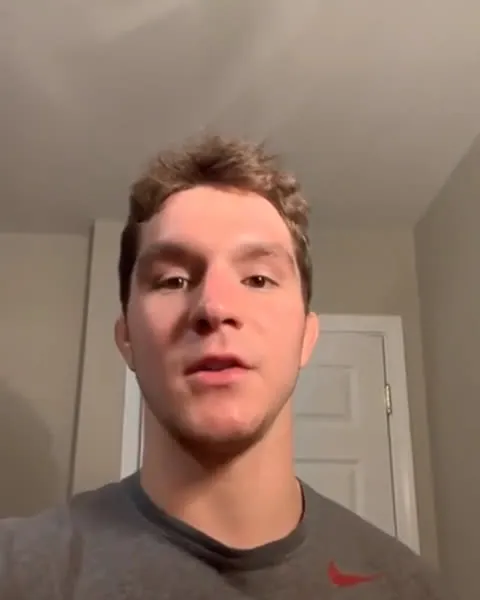
It’s allowed me to dive deeper into passions that really matter to me in life, more so than craving any sort of cheap dopamine hit.
Client interviews, shared with consent. Some faces are blurred at the client's request. Individual results vary.